
To ensure your car’s window tint is legal, start by understanding the VLT limits for each window, such as a minimum of 35% for front side windows and 20% for rear side windows. Choosing professional installation helps ensure the correct tint is applied and complies with regulations, and reputable installers can provide a compliance certificate. If you’re unsure about an existing tint, have it checked with a tint meter to confirm the VLT is within legal limits. Finally, always ask whether the film is certified and approved for South Australia, as certified tints clearly display their VLT and meet legal standards.
What Window Tint Is Legal? A Guide to Tint Laws
Car window tinting is a popular way to add style, reduce heat, and protect your interior from harmful UV rays. But did you know that not all window tints are legal? In South Australia, there are strict rules about how dark your car windows can be tinted. Understanding these rules is important to avoid fines and ensure safety on the road. In this guide, we will explain what window tint is legal for cars in South Australia, what the rules are, and how you can make sure your Tint is within the law.
What is Car Window Tinting?
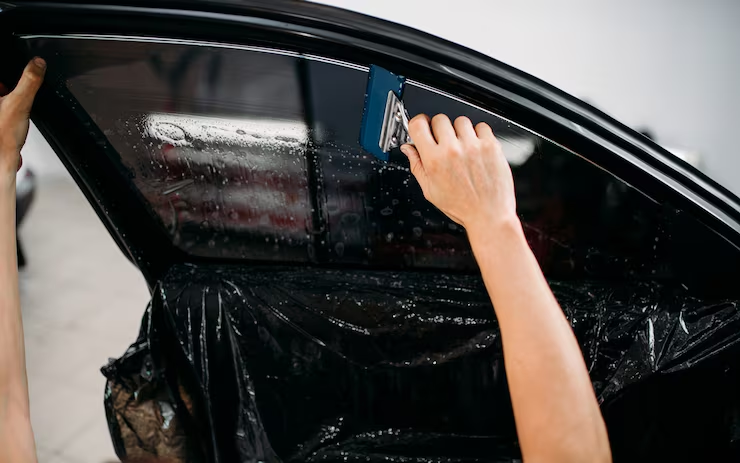
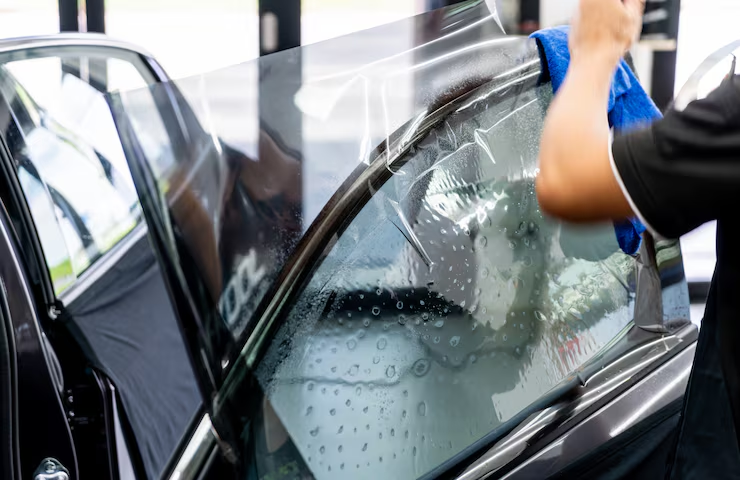
Car window tinting is the process of applying a thin, colored film to the windows of your vehicle. This film can be tinted to different shades, which is measured by the Visible Light Transmission (VLT) percentage. The VLT tells you how much light can pass through the window. A lower VLT means the Tint is darker, while a higher VLT means the Tint is lighter. While darker tints can help block out the sun and keep your car cooler, it’s important to stay within the legal limits set by the law.
Legal Car Window Tint in South Australia
In South Australia, car window tinting must comply with specific regulations to maintain safety and visibility, based on VLT (Visible Light Transmission)—the amount of light allowed through the glass. The windscreen may only be tinted along the top 10 cm, and this visor strip must have a VLT of 70% or higher. Front side windows must allow at least 35% of light through, making darker tints illegal in this area. Rear side windows can be darker, with a minimum requirement of 20% VLT, offering more privacy if desired. The rear windscreen can be tinted as dark as you like, provided the vehicle is fitted with side mirrors to ensure clear visibility.
Why Are These Laws Important?
Car window tinting laws are in place to ensure road safety by maintaining clear visibility. Windows that are too dark can make it difficult for both you and other drivers to see clearly, especially at night or in low-visibility conditions like rain or fog. Staying within legal tint limits ensures you have proper visibility while driving, allows others to see you on the road, and helps keep you safe by preventing too much light from being blocked.
How to Make Sure Your Tint is Legal
Benefits of Following the Tint Laws
Following legal window tint laws is important for several reasons. Staying within the legal limits helps you avoid fines and penalties, ensuring you don’t face unnecessary expenses. It also keeps you safe on the road, as proper tinting allows clear visibility, which is especially important at night or during bad weather. Additionally, having a legal tint preserves your car’s value, keeping it in good condition and helping maintain its resale value over time.