
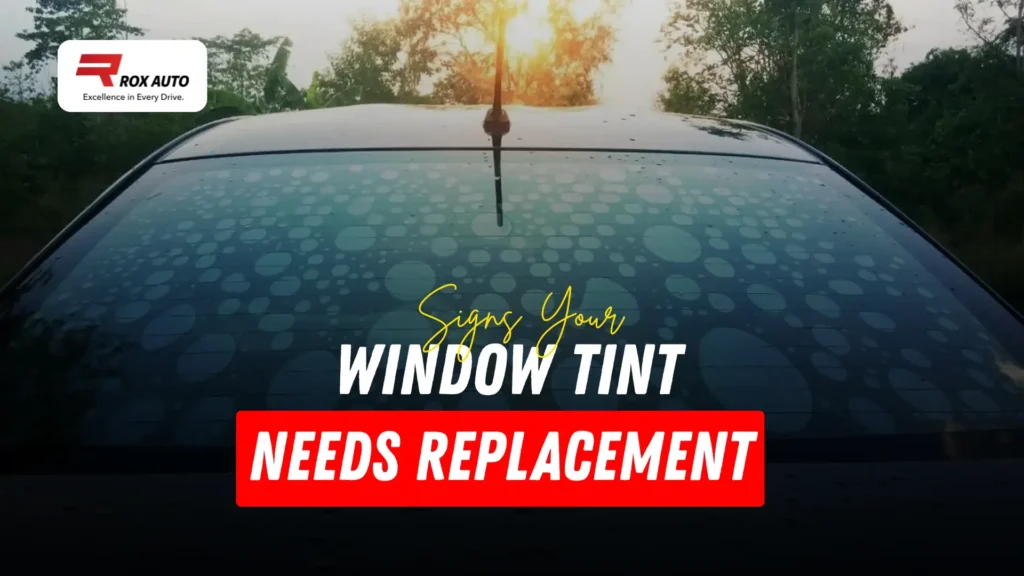
Signs Your Window Tint Needs Replacement (Bubble, Fade, Peeling)
Window tinting is one of the best ways to protect your car’s interior, block harmful UV rays, and improve privacy. But like every part of your vehicle, tint does not last forever. Over time, the film can wear out, fade, peel, or bubble, reducing both performance and appearance. Knowing when it’s time for a window tint replacement can save you frustration and keep your car looking sharp.
At Rox Auto in Adelaide, we often see drivers delay replacement until the tint becomes almost unusable. In reality, the earlier you address the signs, the better the results. In this guide, we’ll break down the most common symptoms that indicate your car window tint needs replacing, why these issues appear, and why professional replacement is the smartest choice.
Why Window Tint Needs Replacing Over Time
Even premium-grade tint is not designed to last forever. Adelaide’s strong sun, high temperatures, and changing weather put constant stress on car windows. Over time, the adhesive weakens, and the film begins to deteriorate.
Manufacturers design modern tint to last for years, but UV exposure and daily use eventually win. The chemicals that give tint its colour and UV-blocking properties break down slowly. This process may start subtly, but the results become clear after a few years.
If you drive a lot or park outside often, your tint will wear faster. Once the film begins to fail, there is no way to “repair” it — the only real solution is window tint replacement.
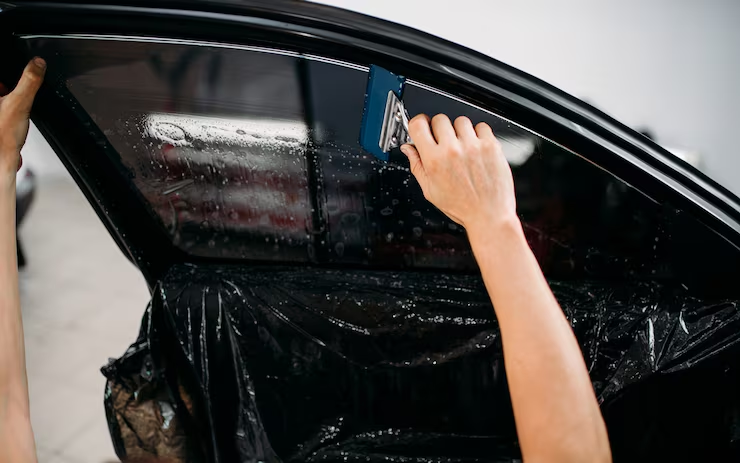
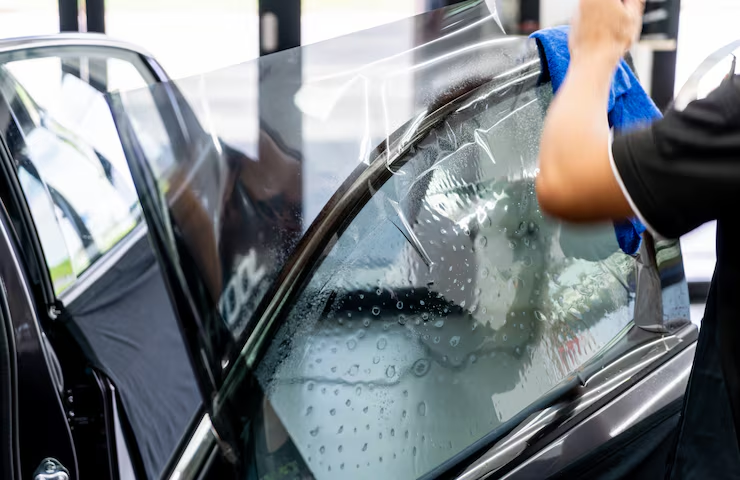
Top Signs It’s Time for Window Tint Replacement
So how can you tell if your tint is past its prime? Here are the most common warning signs we see at Rox Auto.
Bubbles and Blisters in the Film
Small air bubbles or larger blisters are a classic sign that the tint’s adhesive is failing. These pockets of air usually form between the glass and film when the glue begins to separate. They don’t just look unattractive — they also distort your view and make the film less effective. Many drivers hope bubbles will settle or can be smoothed out. Unfortunately, once they appear, they only get worse. The solution is to remove and replace the window tint with a new, properly bonded film.
Fading and Discoloration
When tint loses its deep colour and starts to fade, it’s a sign of UV damage. Older tints often turn a purplish shade as dyes break down. This fading reduces UV blocking power, meaning your skin and car interior are no longer protected as well as before.
Once the tint fades, replacement is the only way to restore both appearance and function. Rox Auto uses advanced films designed to resist fading much longer than older dye-based tints.
Blurry, Cloudy, or Distorted Tint
A clear view through your windows is critical for safe driving. When tint begins to look hazy, cloudy, or distorted, it becomes a hazard. Drivers often describe it as looking through foggy glasses.
This issue may appear if moisture becomes trapped between the glass and film, or if the tint has simply aged beyond use. Once clarity is compromised, replacement is necessary.
How Often Should You Replace Window Tint?
There’s no exact timeline because it depends on film quality, climate, and car use. On average, tint lasts 5–10 years. If your car is parked outdoors most of the time, expect the lower end of that range. Instead of focusing on age, look for the warning signs: bubbles, peeling, fading, or hazy views. The moment you notice these issues, it’s time to consider replacement. Ignoring them only makes things worse.