
When people talk about window tint, they often mention percentages like 70%, 35%, or 20%, which refer to VLT (Visible Light Transmission)—the amount of light that can pass through the glass and tint combined. For example, a 70% VLT allows 70% of light in and blocks 30%, a 35% VLT lets in 35% of light and blocks 65%, and a 20% VLT allows only 20% of light through while blocking 80%. The lower the VLT number, the darker the tint, meaning a 70% tint appears very light and almost clear compared to much darker options like 20% or 15%.
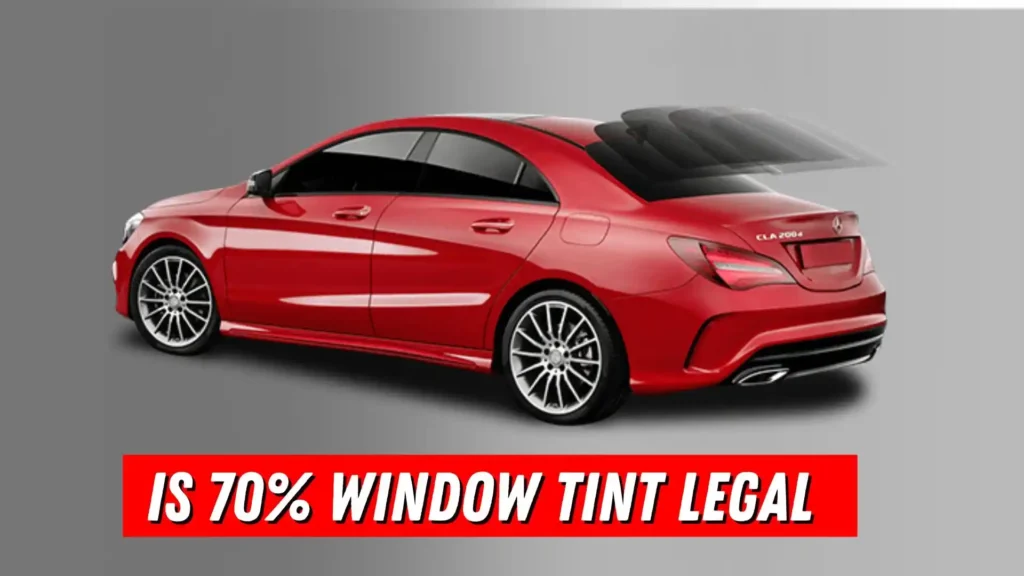
Is 70% Window Tint Legal? Everything You Need to Know
Car window tinting has become a must-have for drivers across Australia. Whether you want to reduce heat inside your car, block out harmful UV rays, or enjoy more privacy on the road, window tint can make a big difference. But before you tint your car, there’s one question you must ask: Is 70% window tint legal in Australia?
Tint laws are not the same everywhere, and getting it wrong can lead to fines, insurance issues, and even roadworthy failures. In this guide, we’ll explain everything you need to know about 70% tint, how Australian laws work, and what you should check before booking your car in for a tint.
At Rox Auto in Adelaide, we often see drivers delay replacement until the tint becomes almost unusable. In reality, the earlier you address the signs, the better the results. In this guide, we’ll break down the most common symptoms that indicate your car window tint needs replacing, why these issues appear, and why professional replacement is the smartest choice.
What Does 70% Window Tint Mean?
Why Do Window Tint Laws Exist?
Some drivers believe tint laws exist only to generate fines, but in reality, they are designed to keep roads safe. Extremely dark tints can reduce driver visibility, especially at night or in poor weather, making driving more dangerous. They also allow police and emergency workers to see inside vehicles during traffic stops or accidents, which is essential for safety checks. Most importantly, tint laws ensure fair and safe driving conditions by maintaining adequate visibility for all drivers to react quickly. This is why Australia enforces legal limits on how dark window tints can be.
Is 70% Window Tint Legal in Australia?
Yes, 70% window tint is legal in Australia and comfortably falls within the allowed limits because it lets a high amount of light pass through the glass. For the front windscreen, only a top visor strip can be tinted, and it usually must have at least 70–75% VLT, which a 70% tint meets. Front side windows must allow a minimum of 35% light, so a 70% tint is well above the legal requirement. Rear side windows and the rear windscreen are permitted to be darker in most states, often down to 20% or even 15%. Overall, choosing a 70% tint is completely safe and legal for all windows, making it a light, compliant, and practical option.
Penalties for Illegal Window Tint
If your window tint is too dark, it can lead to several serious consequences. Police may issue on-the-spot fines if your vehicle does not meet legal standards, and you could receive a defect notice requiring you to remove the tint and have the car inspected again. In some cases, insurance claims may be rejected if you’re involved in an accident and your vehicle is deemed not road legal. Additionally, a car with illegal tint may fail a roadworthy inspection, which can cause problems when selling the vehicle or transferring registration.
Benefits of Staying Within Legal Tint Limits
You don’t need the darkest tint to enjoy real benefits. Even lighter films like 70% tint provide excellent UV protection, blocking up to 99% of harmful UV rays to protect your skin and your car’s interior. They also help reduce heat, lowering heat build-up inside the vehicle for a more comfortable drive. Additionally, a 70% tint provides effective glare control, reducing glare from sunlight and headlights while maintaining clear visibility.