
How Do I Clean Tinted Windows? A Complete Guide
Tinted windows are one of the most popular upgrades for cars, offering privacy, protection, and a sleek look. However, keeping them clean requires extra care compared to standard glass. If you’re wondering how do I clean tinted windows without damaging the film, you’re not alone. Many car owners make the mistake of treating tinted glass like regular windows. It can lead to scratches, bubbling, or peeling over time.
Cleaning tinted windows properly not only keeps them looking crystal clear but also extends the lifespan of the tint film. Since tint is applied as a delicate layer on the inside of the glass, harsh chemicals and rough tools can ruin its appearance. With the right approach and cleaning products, you can maintain streak-free windows while preserving the tint’s color and durability.
Preparing to Clean Tinted Windows
Before you dive into the cleaning process, it’s essential to gather the correct supplies. Tinted glass should only be cleaned with a soft microfiber cloth, a mild soap or tint-safe cleaner, and distilled water in a spray bottle. These tools ensure you can wipe away dirt and dust gently without scratching the film and leaving behind streaks. Distilled water is preferred over tap water since it prevents mineral deposits from forming on the surface.
Equally important is knowing what to avoid. Standard glass cleaners often contain ammonia, a chemical that can discolor or weaken the tint film. Paper towels and abrasive sponges are also problematic because they create fine scratches that become more noticeable over time. By preparing with the right cleaning kit, you’ll avoid costly mistakes and protect the investment you made in window tinting.
Step-by-Step Cleaning Process
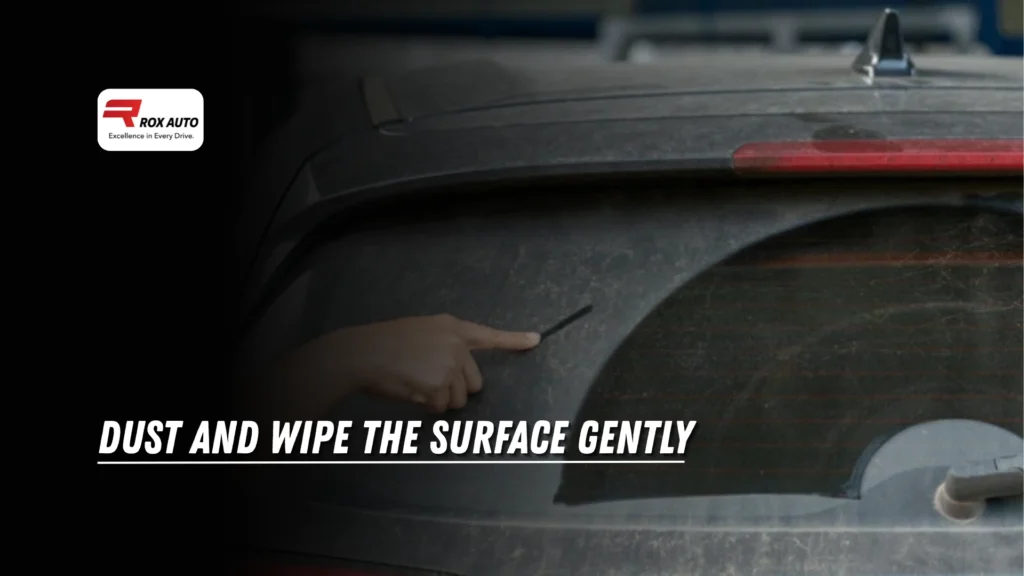
Step 1: Dust and Wipe the Surface Gently
The first step in cleaning tinted windows is to remove surface dust and loose debris. Use a dry microfiber cloth to wipe the inside of the window gently. This step prevents dirt from being dragged across the tint when you begin applying a cleaning solution. If you skip this step, you risk scratching the film with trapped particles. Taking a few minutes to dry-wipe the glass also makes the following cleaning steps more effective. It ensures the solution you spray directly targets smudges, fingerprints, and film buildup instead of floating dust.
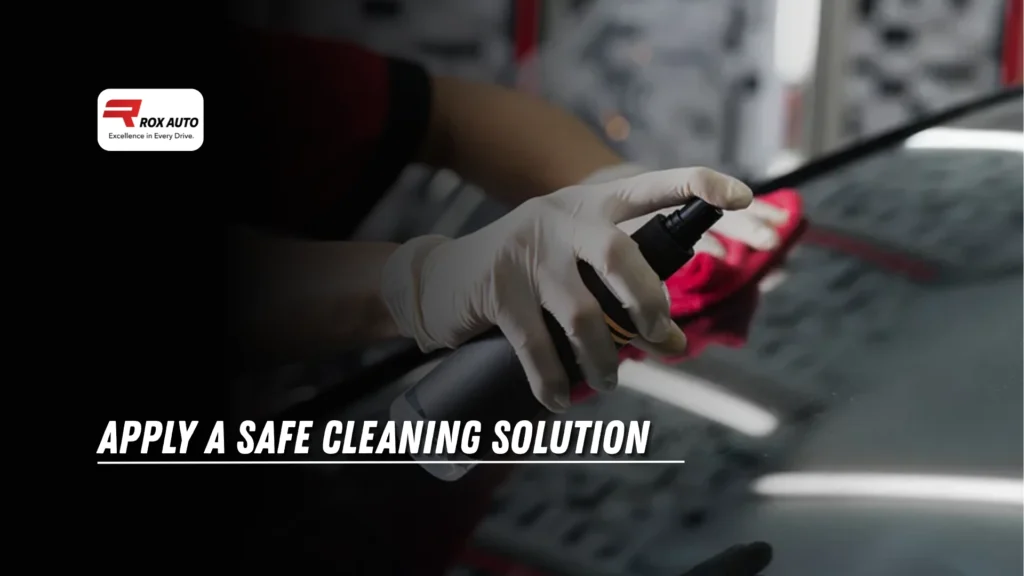
Step 2: Apply a Safe Cleaning Solution
Once the window is dusted, fill a spray bottle with distilled water and add a few drops of mild soap. Alternatively, purchase a tint-safe window cleaner designed specifically for car window film. Spray the solution lightly onto the surface of the tint rather than soaking it. Too much liquid can seep under the film’s edges and cause peeling or bubbling. When applying the cleaner, avoid letting it drip into the seams of the glass. A fine mist is enough to loosen grime while keeping the tint intact. By choosing the right cleaning solution, you protect against chemical damage and preserve the deep shade of your tinted windows.
Step 3: Wipe With a Microfiber Cloth in Straight Motions
After spraying, use a clean microfiber cloth to wipe the glass. Always move the fabric in straight vertical or horizontal strokes rather than circular motions. Circular wiping tends to push dirt around and can leave behind visible streaks on tinted glass. Straight strokes create a polished, professional look. Microfiber cloths are ideal because they trap dust and moisture rather than spreading it. Their soft texture also prevents scratches on delicate film surfaces. For extra clarity, dedicate one cloth for wiping and another for buffing the tint dry. This two-step approach leaves your tinted windows crystal clear.
Step 4: Dry and Polish Without Streaks
The final step is drying the windows thoroughly. Use a fresh microfiber cloth or flip your cloth to the dry side to buff out any streaks. Work from top to bottom so moisture doesn’t drip downward onto areas you’ve already cleaned. It ensures an even, spotless finish across the entire surface. Polishing the windows not only improves visibility but also enhances the aesthetic appeal of the tint. Clean tinted windows should look smooth, glossy, and free of smudges. Taking the time to polish ensures your tint seems as sharp as the day it was installed.
Maintenance Tips for Long-Lasting Tint
Regular cleaning is essential for maintaining tinted windows, but frequency matters. A gentle cleaning every two to three weeks helps prevent dirt buildup and makes the job easier each time. If you live in a dusty or humid area, you may need to clean tinted glass more often. Keeping a microfiber cloth in your car can help you quickly wipe away fingerprints and smudges between deep cleans.
Another key aspect of tinted window maintenance is protection after installation. If your tint is new, avoid cleaning it for at least a week to allow the adhesive to cure fully. Cleaning too early can cause bubbling and peeling. Long-term, avoid sharp objects near the glass, and be mindful when loading cargo that might scrape against the tint. These simple habits ensure your tinted windows stay sharp and durable for years.