Window Tint Shades Explained
Beyond giving your car a sleek and stylish look, tinted windows improve comfort, reduce glare, block harmful UV rays, and add an extra layer of privacy. But not all films are the same. The level of darkness is measured in shades, and each shade serves a different purpose. That’s why it’s important to know about window tint shades clearly before deciding which one works best for your needs.
Many car owners feel uncertain about which shade to choose. A lighter tint improves visibility but offers less privacy, while a darker tint enhances protection and style but may not be legal for all windows. By understanding the differences between window tint shades, you can make a choice that keeps your car compliant with local laws, saves money in the long run, and delivers the perfect balance of appearance, safety, and comfort.
What Are Window Tint Shades?
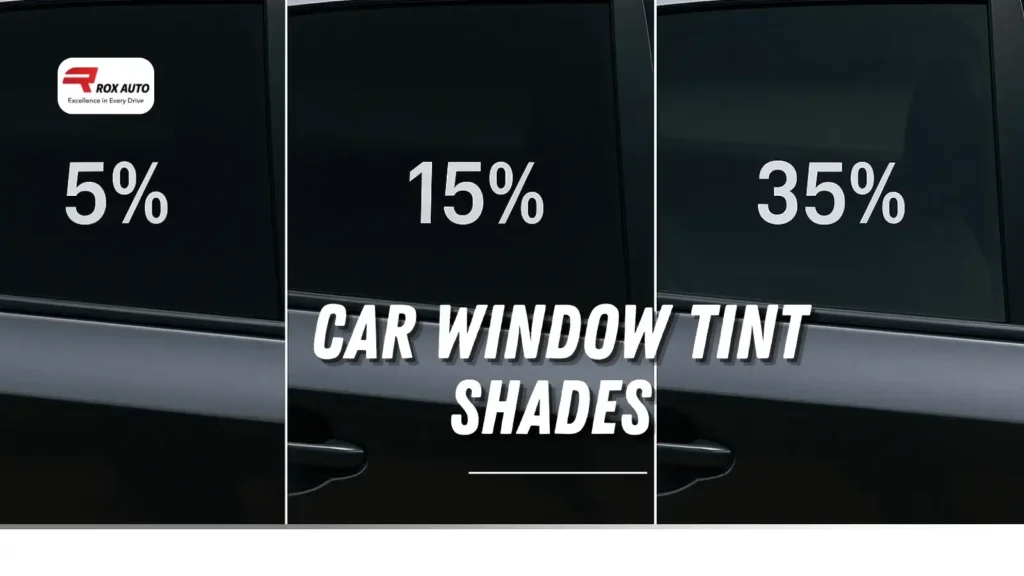
Window tint shades refer to how much visible light can pass through the tinted film applied to your car’s glass. It is measured as Visible Light Transmission (VLT%). For example, a tint with 35% VLT allows 35% of sunlight to pass through, while blocking the rest. The lower the percentage, the darker the shade looks.
VLT% is the most important metric when discussing tint. A high VLT, like 70% will look almost clear but still block harmful UV rays. A low VLT, like 5% often called limo tint. It creates a dark, blacked-out effect that makes it nearly impossible to see inside. Knowing how this measurement works is the first step in understanding window tint shades.
Common Window Tint Shades
Here are the common shades to tint your vehicle;
70% Tint: Almost Clear, Minimal Shading
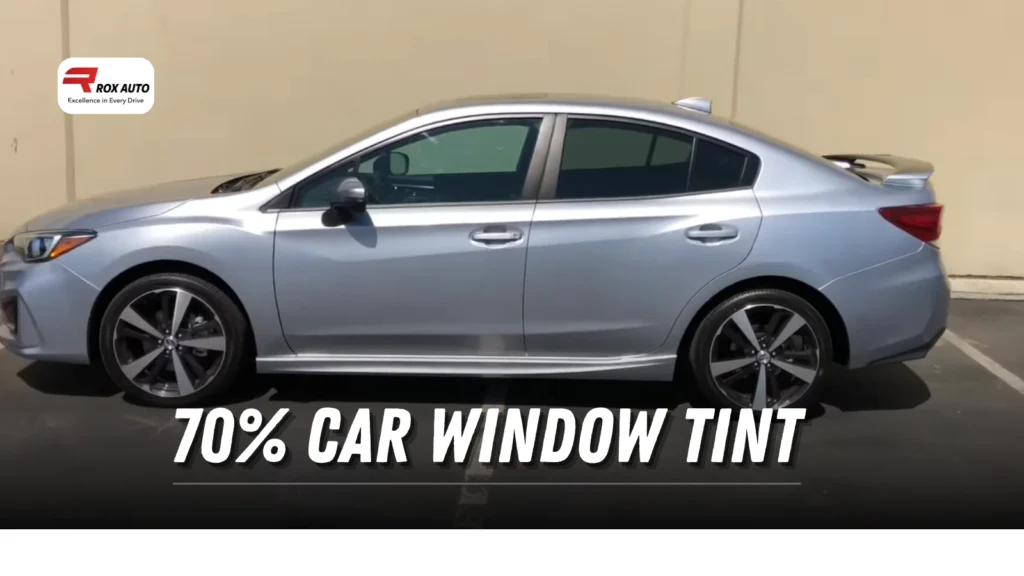
A 70% tint is often used when you want protection without dramatically changing the look of your car. It provides strong UV blocking and reduces glare, but to the eye, it looks almost transparent. It makes it popular for windshields in places where a clear view is legally required. While not the most stylish option, a 70% tint serves a practical purpose. It’s perfect for drivers who want to maintain maximum visibility at night. While still gaining the benefits of heat reduction and interior protection.
50% Tint: Light Tint, Glare Reduction
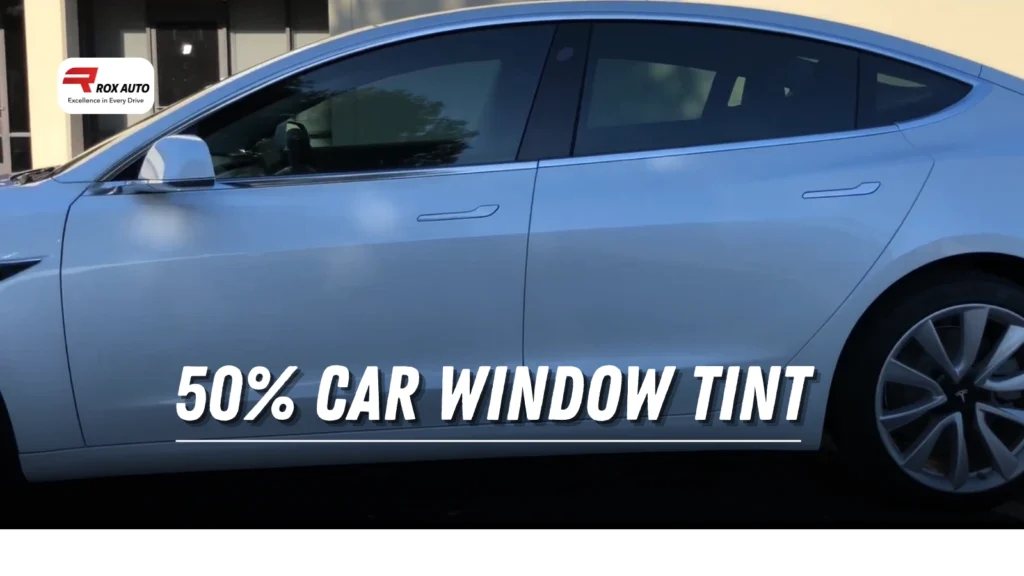
With a 50% tint, the glass begins to look darker, but not excessively so. This shade provides solid glare reduction during daytime driving and is a comfortable choice for front windows where visibility is still a priority. If you want a balance between function and aesthetics. Then 50% tint is a safe option. It adds subtle style, improves comfort in sunny conditions, and helps reduce eye strain without making the car look overly shadowed.
Benefits of Different Tint Shades
Regardless of whether you choose 70% or 5%, modern tint films block up to 99% of UV rays. This protection prevents skin damage, stops fading of upholstery, and reduces dashboard cracking. Darker shades also improve solar heat rejection, which can significantly cool your vehicle’s interior on hot days. By cutting down on heat, window tint reduces your need for air conditioning. That translates to better fuel efficiency and a more comfortable driving experience.
Privacy and Security
One of the most appealing aspects of tinting is privacy. With darker shades like 20% or 5%, outsiders cannot easily see into the car. It not only protects your privacy but also helps deter theft by keeping valuables out of sight.
Privacy tinting also adds an extra layer of comfort when driving through busy areas. You can enjoy peace of mind knowing that your passengers and belongings are shielded from curious eyes.