
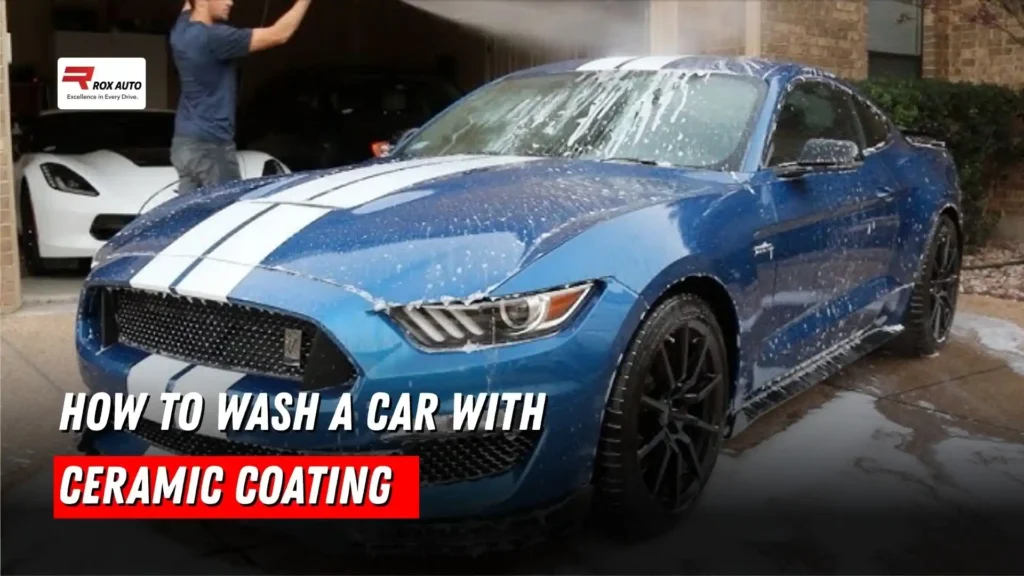
How to Wash a Car with Ceramic Coating
Everyone wants to keep their car spotless, but if your vehicle has a ceramic coating, the washing process is not the same as a regular car wash. Ceramic coatings are designed to provide long-lasting shine and protection against UV rays, dirt, and road grime. However, improper washing techniques can scratch the paint, strip away hydrophobic properties, and shorten the lifespan of the coating. In this guide, you will learn how to wash a car with ceramic coating, using the right products and techniques.
Preparing for the Wash
Before washing a ceramic-coated car, it’s important to follow the proper prewashing process. Always choose a shaded area or indoor space to prevent soap and water from drying too quickly, which can cause streaks and water spots—ensure the paint is cool to the touch. Gather the right tools, including two buckets with grit guards to trap dirt, microfiber wash mitts for gentle cleaning, soft microfiber drying towels or a car dryer, and a pH-neutral car shampoo specifically formulated for ceramic-coated cars. For added convenience, a pressure washer or foam cannon can be used for a pre-rinse.
Step-by-Step Washing Process
Here is a simple, step-by-step guide to washing your car with a ceramic coating. Follow these steps carefully so your car stays shiny and the coating lasts longer.
Washing Your Car Safely
Start by pre-rinsing your car with clean water from a hose or pressure washer to remove loose dirt, dust, and sand that could scratch the paint if rubbed with a wash mitt. For added protection, apply snow foam using a foam cannon if available; let it sit for a few minutes to lift stubborn grime before rinsing. Next, wash the car using the two-bucket method—one bucket with pH-neutral soapy water and the other with clean rinse water. Work in gentle, straight lines rather than circles, rinsing the mitt between sections to prevent dirt from scratching the surface. Always wash from top to bottom, starting with the roof and moving down to doors and lower panels, as the lower parts of the car tend to accumulate more dirt. After washing, rinse thoroughly to remove all soap and maintain the water-repelling properties of your ceramic coating.
Drying Your Car Safely
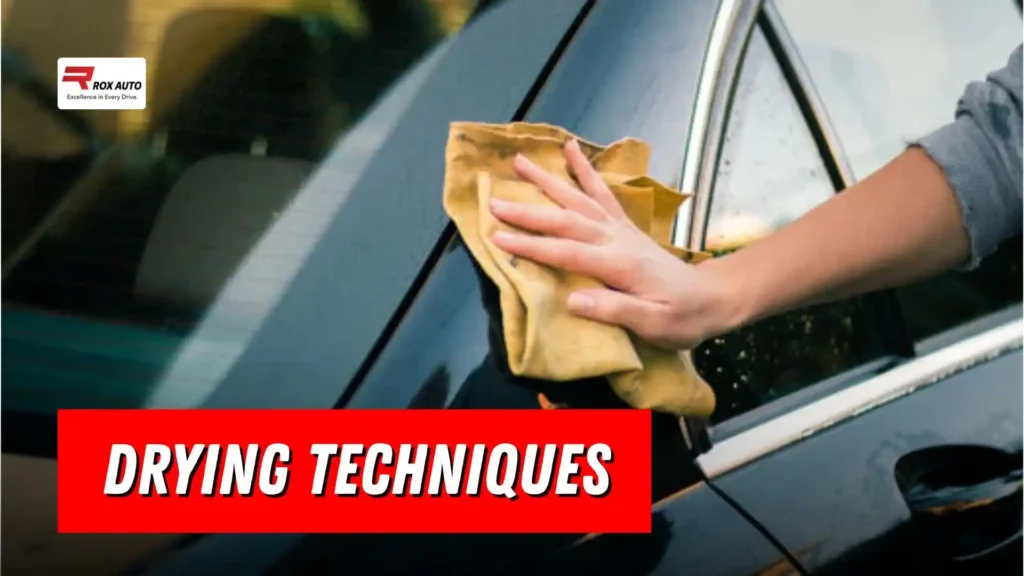
Proper drying is as important as washing. Use soft microfiber drying towels or a car dryer, avoiding rough materials like old rags or bath towels that can scratch the paint. Pat dry or use long, gentle sweeps without applying pressure. If you have a blower or car dryer, it can safely remove water without touching the paint, preserving the glossy finish of your ceramic coating.
Products and Techniques to Avoid
To keep your ceramic coating looking its best, avoid using dish soap or household detergents, as they are too harsh and can strip away the protective layers. Stay away from automatic car washes with brushes, which can cause swirl marks and micro-scratches, and don’t use sponges or dirty towels that may trap grit and scratch the paint. Additionally, avoid washing your car in direct sunlight, as this can lead to water spots and streaks. Following these precautions will help preserve your coating and maintain a long-lasting, glossy finish.
Maintaining Your Ceramic Coating
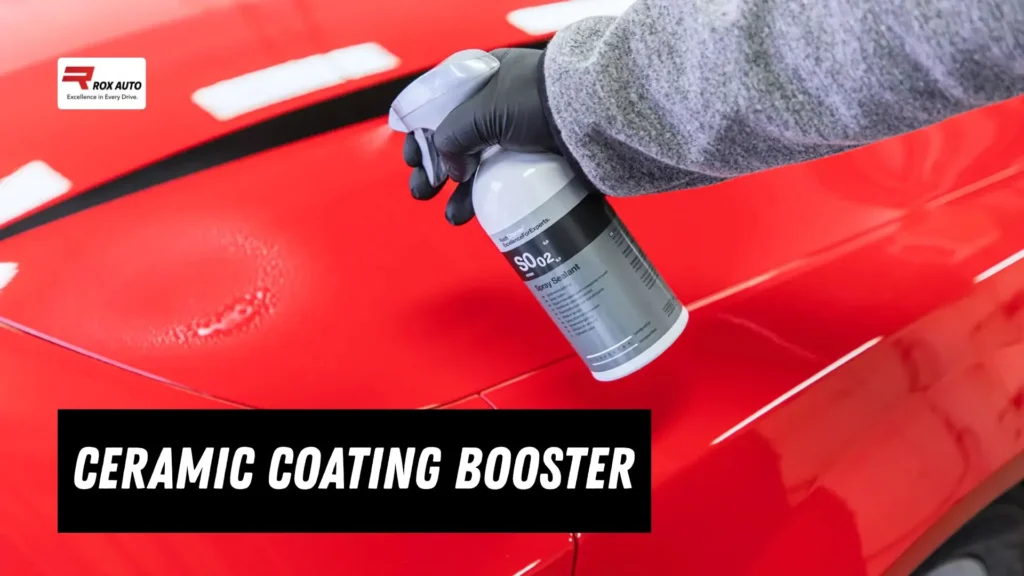
Maintaining your ceramic coating goes beyond washing—it’s about keeping the protective layer strong and shiny for years. After a few washes, use a ceramic coating booster or spray sealant to refresh the top layer, enhance shine, improve water repellency, and extend the coating’s life. Wash your car regularly, ideally every 1–2 weeks, to prevent dirt, dust, and grime from sticking and causing damage. For spot cleaning between washes, promptly remove bird droppings, bugs, or tree sap using a ceramic-safe quick detailer or waterless wash to protect the coating. Additional tips include using clean microfiber towels, storing your car in a garage or under a cover, avoiding parking under trees, and rinsing more often during rainy seasons to prevent water spots. Avoid common mistakes like scrubbing too hard, using dirty mitts or towels, and neglecting contaminant build-up, as these can reduce the coating’s effectiveness and hydrophobic properties. Following these practices ensures your ceramic coating remains glossy, protective, and long-lasting.